

Essential Materials and Tools
Paper
It’s OK to draw in this book. I want you to! But to prac-tice you should have additional drawing paper. Most drawing paper will do for beginners, such as a drawing pad of (acid-free) paper that takes pen and ink, pencil, crayon, charcoal, light ink washes, and markers. A handy size for most subjects (and laps) is 11x14– or 14x17–inches. Or go with graph paper for use with pencil or marker, which provides a modular grid for visual measurement.
A couple of the prompts in this book call for heavier paper or art board, such as Bristol board, which is a lightweight board with two working surfaces, front and back. Other prompts call for tan or gray toned paper, which you can purchase ready-made ormake yourself. Using a big brush, you can hand-tone paper with cold black coffee, cold tea, or thinned ink or water-based paint.
Drawing board

You can place your sketchbook on a table or on your lap when drawing, but you may prefer to use drawing board. Inexpensive Masonite sketchpad boards afford a sturdy sketching surface. But such a board is optional.
Pencils
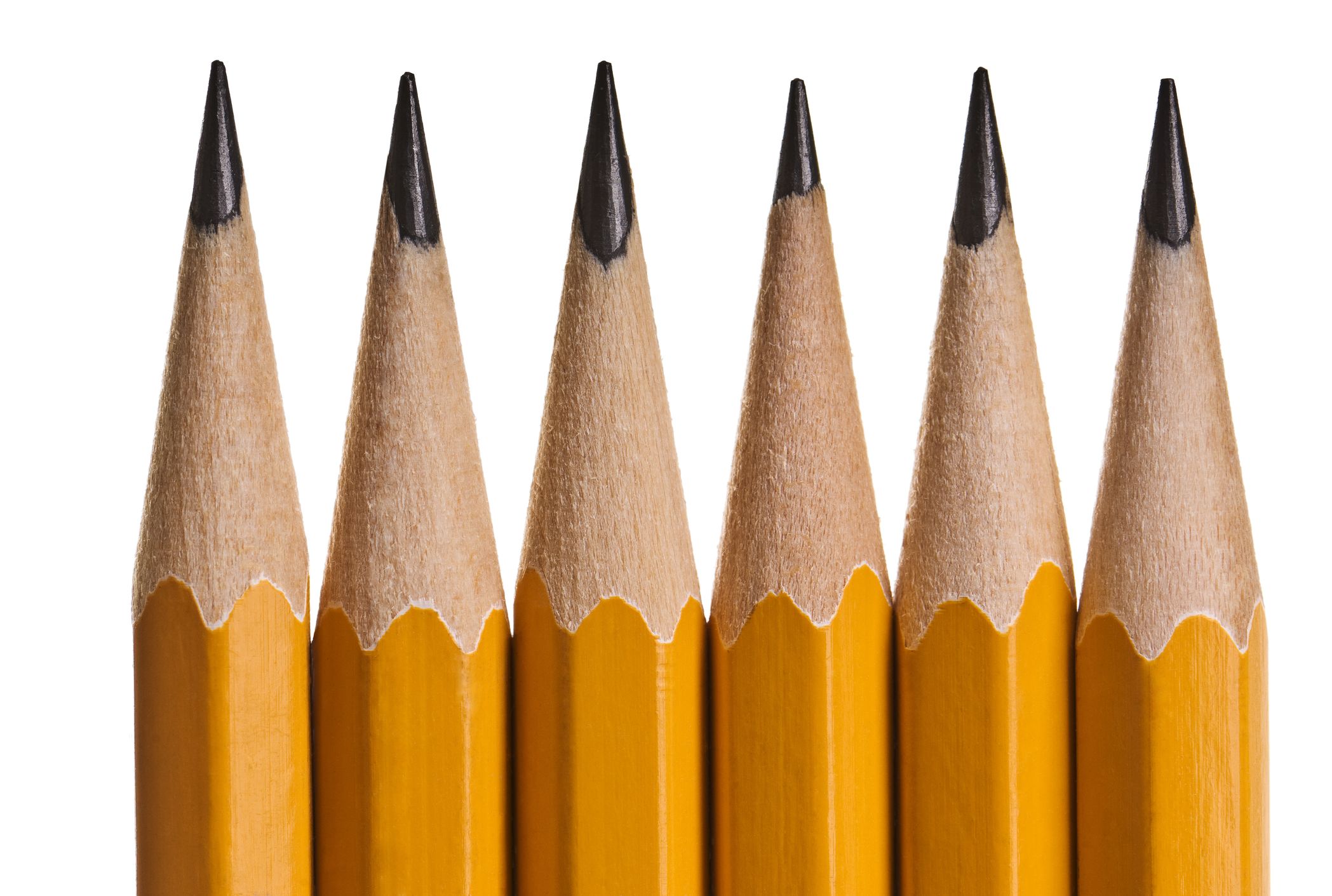
Pencils are available in varieties that range from very soft (8B) to extra hard (6H). Soft graphite pencils make darker marks and are great for quick sketching. Harder pencils retain a sharp point and make lighter lines; they’re good for detail work and straight lines. Get these: 6B; 2B; B; H or F; and 2H. (When I don’t specify which pencil to use, try several to learn what each can do and which you prefer.)
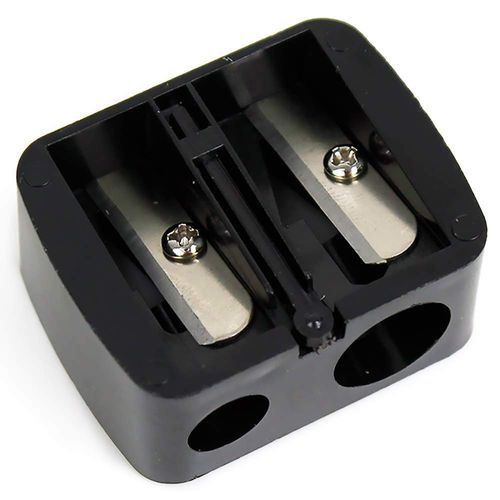
A hand-held, all-metal sharpener for standard size pencils (8 mm) works well for sharpening artist’s pencils.
Cylindrical charcoal sticks

Vine and willow charcoal sticks are good drawing tools for rapid visualization and creating broad areas of tone, and they are easily removed with a kneaded eraser. Some artists prefer compressed charcoal for its strength. Charcoal is inexpensive so you can Experiment with different kinds. But you’ll need to spray them with a nontoxic fixative for permanence
Black and White Conté crayon
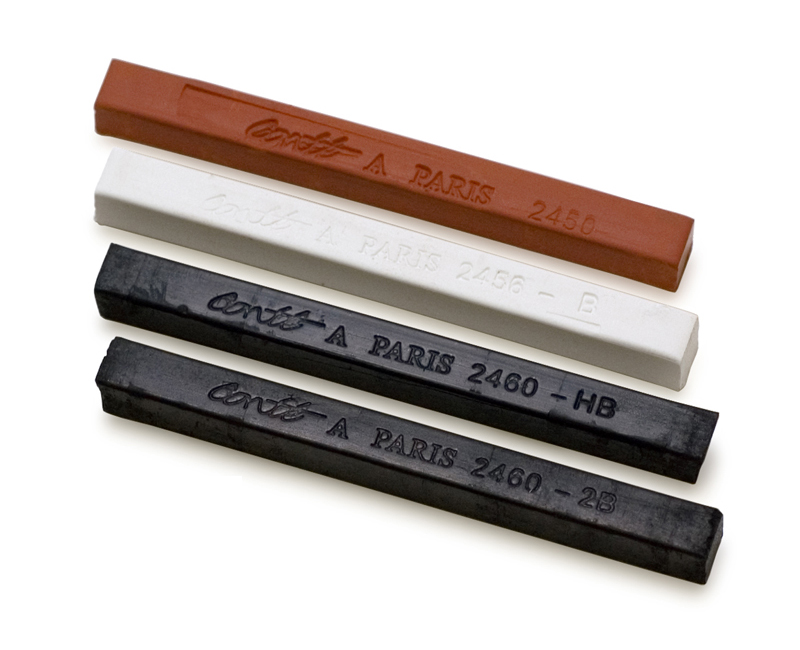
Conté crayons are made from a blend of natural pigments, kaolin clay, and graphite, and are used for rapid sketching as well as shading on a variety of paper surfaces. These crayons are popular drawing implements. You can sharpen the crayon’s tip to a chisel point (using a sand block) for detailed work, or use its blunt tip or its broad side.
Erasers
White plastic eraser

These erasers remove graphite marks cleanly and completely from paper, and they are my recommendation for working with pencil.
Kneaded rubber eraser
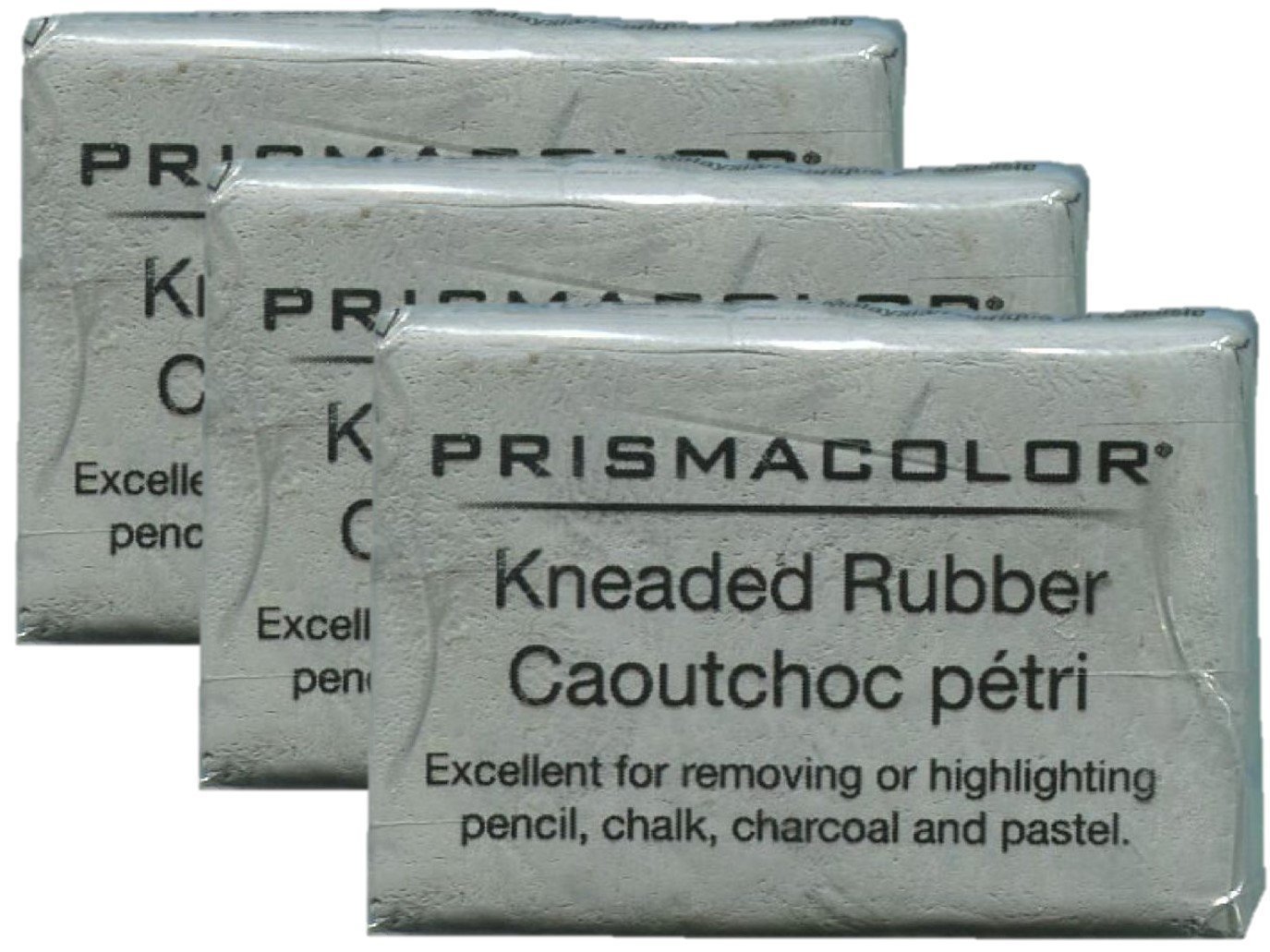
Pink Pearl eraser
Soft and pliable, this eraser removes graphite marks and has beveled ends for better control.
Gum eraser
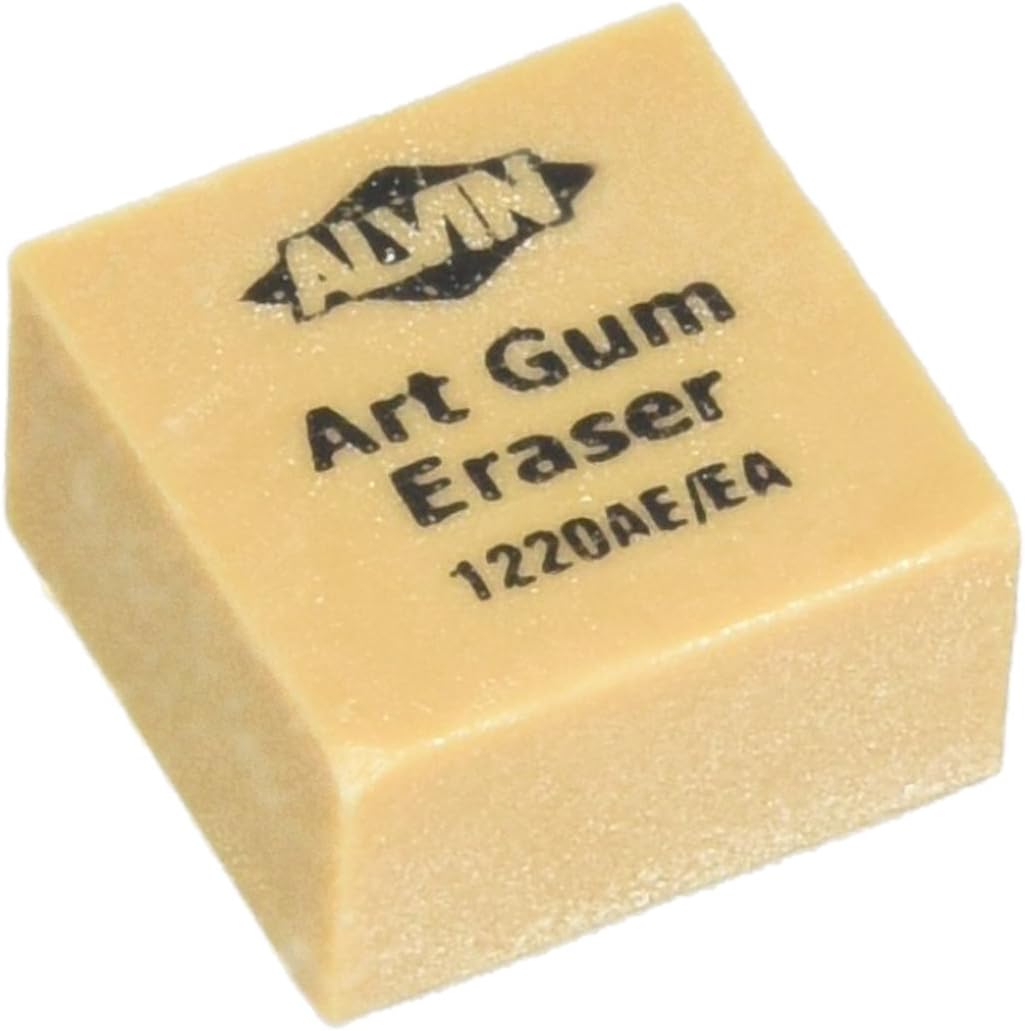
This is an all-purpose eraser, but it leaves a good deal of residue.
Markers

Many visual artists favor fine-point black markers (nontoxic) as sketching or drawing tools. Experiment with different brands; some have less drag than others. Markers are not easily erased. Consider their marks permanent.Wide-nib black markers (nontoxic) are good for experimenting and drawing boldly as well as for fill-in work.
Nontoxic markers are available in packs of assorted colors in both fine-point tip and wide-nib. An inexpensive small assortment is fine for working in this book. Or you may prefer student-grade colored pencils.
Nontoxic workable fixative
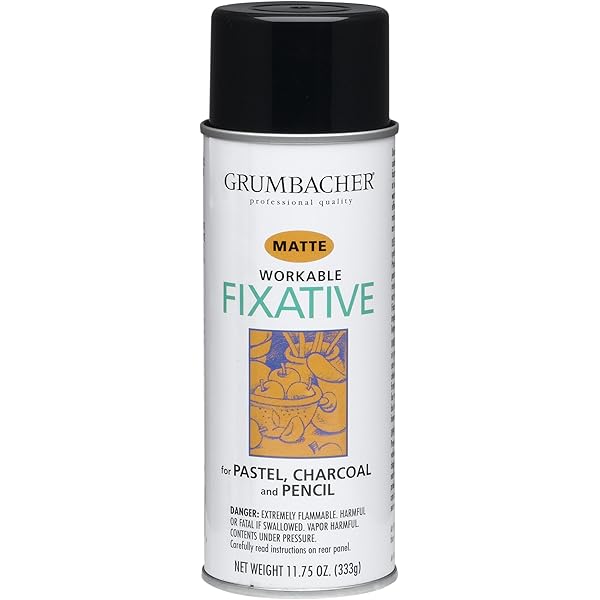
This variety of fixative is workable (you can continue drawing on top of it after applying it) and nontoxic; Spectra Fix Natural Casein Spray Fixative brand is one example. Fixative protects your work. Even if you use a nontoxic fixative, be sure to use it in a well-ventilated room or outside.
Black India ink

Black India ink is highly pigmented, opaque
permanent ink that can be diluted with water and used with most brushes. It’s
good for wash drawings and drawing experiments. For wet drawing media, I
recommend it over black acrylic paint.
Black and white acrylic paint and acrylic medium
Acrylic paints are water-based, fast drying, and diluted with water or acrylic medium, which lengthens drying time and increases flow. (For the exercises in this book, acrylic medium is optional; you can dilute acrylic paint with water or use India ink instead.)
Brushes

It’s good to have a round, pointed brush as well as a flat brush. Sizes of brush vary by manufacturer. (Avoid small brushes, which encourage drawing from your wrist rather than your arm.) Artist-grade brushes can be costly; student-grade brushes are fine for learning. (If you have old, battered brushes, those can be used, too, and are excellent for experimentation.)
Drawing aids (optional)
Viewfinder
A viewfinder is an artist’s tool—a clear, lightweight plastic grid window for visualizing compositions in thirds or other modular unit grids. It allows you to isolate a section of a scene, or separate a scene or space into modules, which helps you determine where elements fall on the page. You can make a viewfinder with clear, hard plastic and a dry erase marker or purchase a readymade one. One brand is the Quic Kamp Artist’s Drawing Tool, whose side also can be used as a straightedge.
Rule of Thirds grid
The Rule of Thirds is an asymmetrical compositional plastic grid that you can use as a viewfinder to aid the positioning of a focal point in the composition. You’ll learn more about it in Chapter 1. You can pur-chase this or make one by ruling the grid onto clear, hard plastic.
Four-quadrant grid
A four-quadrant modular grid viewfinder, made of plastic or heavy acetate, allows you divide what you see into manageable, smaller parts. You can purchase this or make one by ruling the grid onto clear, hard plastic.
Wooden artist’s model
This is a wooden, fully jointed and proportioned figure (available in various sizes), that you can pose to help you visualize form.
Digital Media
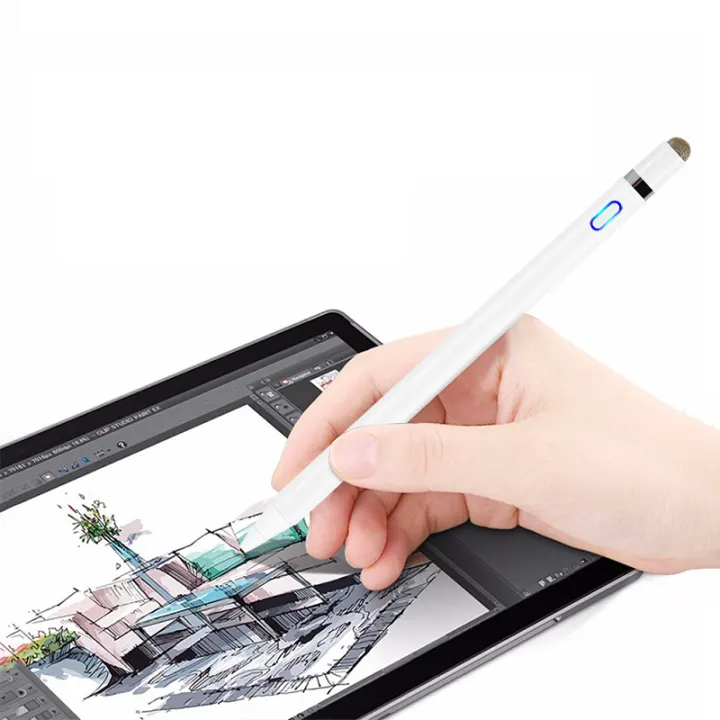
Some digital pens and tablets emulate the feeling of drawing on paper. Purchase the largest tablet you can afford. Some people are comfortable drawing with a mouse or trackpad, but digital pens and tablets offer better drawing experiences than either of these options. Always check software needs and specifi-cations before purchase of this equipment. Pen-on-screen Some digital pens allow you to draw directly on the surface of a high performance LCD display.


0 Comments